
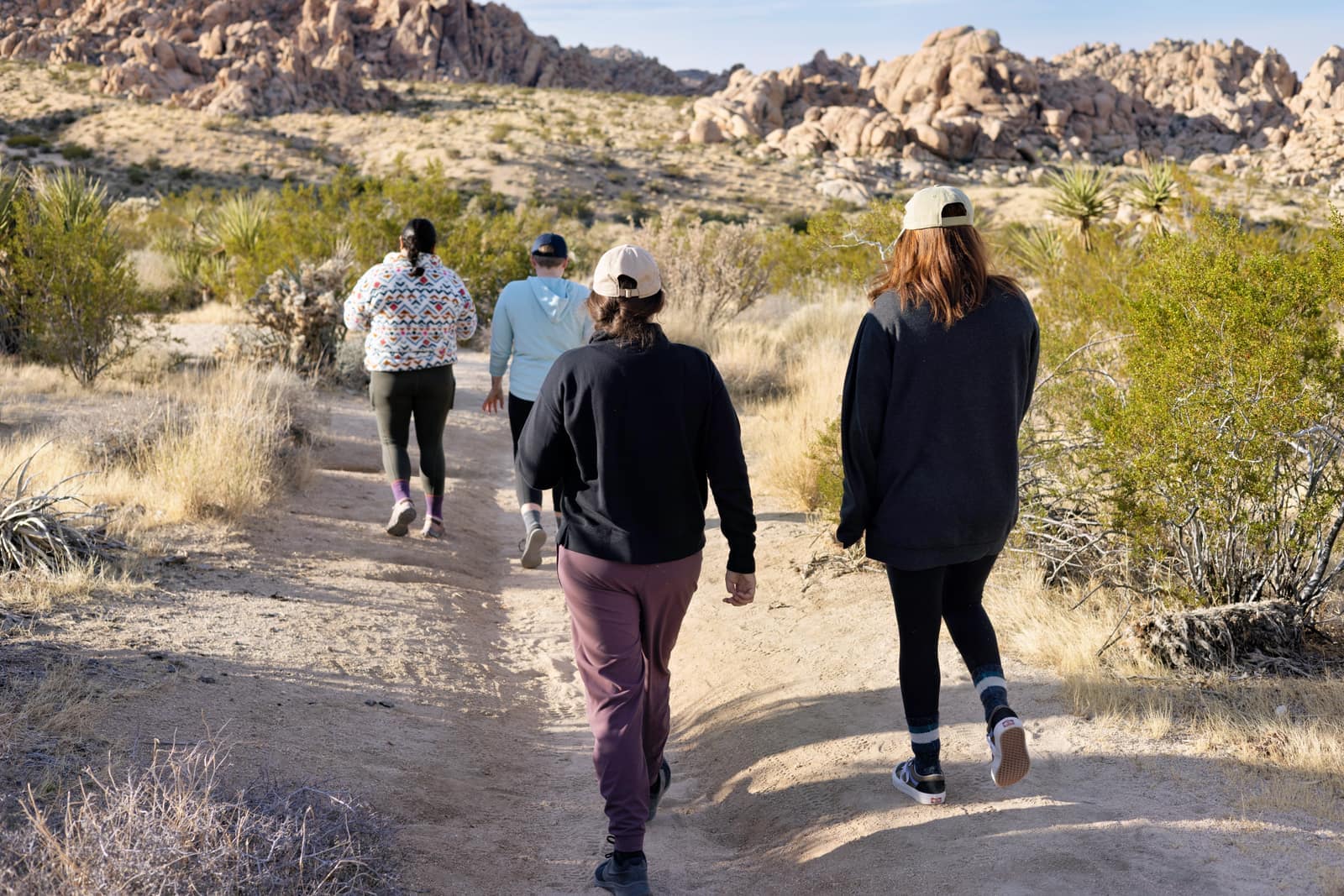
Join us for an easy-to-moderate morning hike with other T1Ds. This is a social hike, not a race — we regroup often, stop for photos, and nobody gets left behind.
Altadena Hiking Meetup
When Sun, Jul 26 7:30 AM
Where Gabrielino Trail Explorer Rd, Altadena, CA 91001 Meet: By the trail kiosk at the end of Lake Ave, 7:20 AM
Open map →
Cost Free
This event has already happened. Thanks to everyone who came out —
browse upcoming events for the next one, or
join the newsletter
.
What to Expect
- ~7 miles round trip
- Gradual, rolling terrain with some uneven and rocky sections
- Multiple creek crossings (your feet may get wet, plan accordingly)
- Mostly shaded canopy, but bring sun protection for open sections
- Moderate pace with built-in stops for snacks, BG checks, and insulin, no one is ever rushed
- Experienced T1Ds in the group who've hiked with diabetes for years
What to Bring
- 2-3 liters of water
- Your usual low supplies plus backup (more than you think you need)
- Snacks/fuel for a 2-3 hour outing
- Sunscreen, hat, layers
- Sturdy hiking shoes (quick-dry or water-friendly a plus)
- Your diabetes supplies and management gear of choice
Managing Blood Sugar
Hiking (aerobic exercise) may cause your blood sugar to drop over time, especially with active insulin on board. **Calculate whether or not you need to adjust insulin and/**or have a snack before we start.
This hike will be around 2-3 hours. Nutrition and sports scientists recommend that people (regardless of diabetes) fuel for activities longer than 1 hour. This is because while you are exercising, your muscles are using up the glucose stored there. This uptake is true for ALL athletes but can create challenges for people with diabetes who are not just trying to manage glucose replacement for muscles, but glucose replacement for any injected insulin that might be on board.
How much fuel do I need for energy? To appropriately fuel your muscles for moderate activity (like this hike), most people need approximately 30g/hr.
Fueling with diabetes can get slightly more complicated: When fueling for your muscles, you may find that you have to give some insulin to balance your blood sugars. This can feel scary, and is something that takes practice to get it right.
If you’re on an AID pump, you may also find that spreading out the 30g of carbs per hour (ingesting smaller amounts within the hour instead of eating 30g in one gulp), may keep your BG and insulin levels more even (and prevent surprise auto-boluses).
How much fuel do I need to prevent low blood sugars? Rapid-Acting insulin stays in your body for about 6 hours. It starts working 10 minutes after you dose and is at its peak effectiveness between 1 and 2 hours (meaning it’s at its most effective) and becomes less effective around 4 hours after the dose (see bolus insulin simulator).
So what? This means that exercising 4 hours after your last dose can make doing diabetes math easier (because you likely won’t need carbs to prevent a low, you’ll just need carbs to fuel your muscles). But, sometimes you need to take a bolus: you want breakfast, your BG is higher than you’d like, you forgot to turn off your auto-bolus function, etc.